
Effective Heat Pump Installation: Your Complete Guide to Professional Heat Pump Setup

Installing a heat pump is a smart choice for homeowners looking to improve their home's comfort and energy efficiency. But to get the most out of your system, you need a professional heat pump setup that ensures everything runs smoothly and efficiently. In this guide, I’ll walk you through everything you need to know about effective heat pump installation, from choosing the right system to maintenance tips that keep your home cozy year-round.
Why a Professional Heat Pump Setup Matters
When it comes to heating and cooling your home, the installation process is just as important as the equipment itself. A professional heat pump setup guarantees that your system operates at peak performance. This means better energy savings, fewer breakdowns, and a longer lifespan for your unit.
Here’s why professional installation is crucial:
Correct sizing: A heat pump that’s too big or too small won’t work efficiently.
Proper placement: The outdoor unit needs to be in a spot with good airflow and minimal obstructions.
Accurate refrigerant charge: Too much or too little refrigerant can cause problems.
Electrical safety: Proper wiring and connections prevent hazards.
System calibration: Ensures the thermostat and controls work perfectly with the unit.
Skipping professional installation can lead to costly repairs and higher energy bills. I always recommend trusting experts who understand the nuances of heat pump technology and local climate conditions.
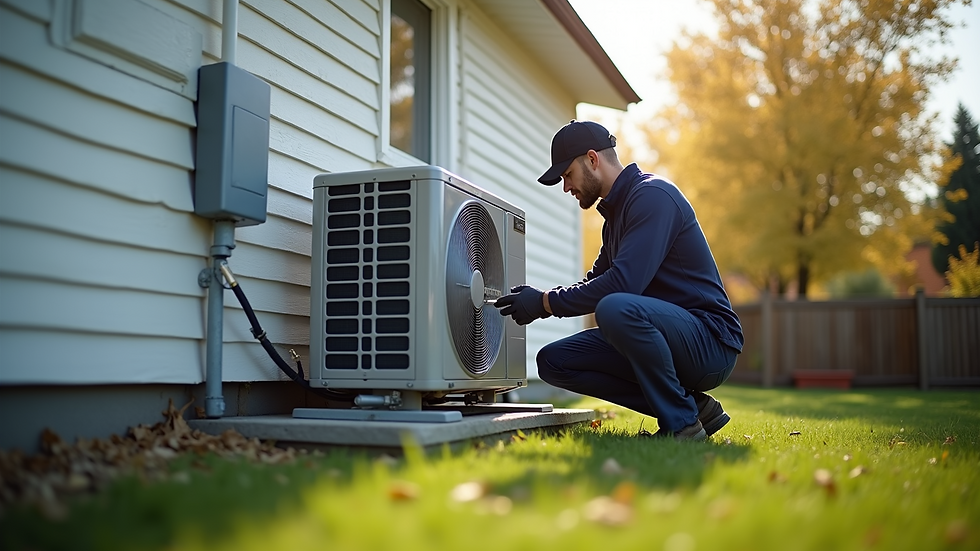
Choosing the Right Heat Pump for Your Home
Selecting the right heat pump is the first step toward a successful setup. Not all heat pumps are created equal, and the best choice depends on your home’s size, insulation, and climate.
Here are some key factors to consider:
Type of Heat Pump:
Air-source heat pumps are the most common and work well in moderate climates.
Ground-source (geothermal) heat pumps are more efficient but costlier and require more space.
Ductless mini-split systems are great for homes without existing ductwork.
Size and Capacity:
A professional will perform a load calculation to determine the right size. Oversized units cycle on and off too frequently, while undersized units struggle to maintain temperature.
Energy Efficiency Ratings:
Look for units with a high SEER (Seasonal Energy Efficiency Ratio) and HSPF (Heating Seasonal Performance Factor). These ratings indicate how efficiently the heat pump operates.
Features:
Some models offer variable-speed compressors, smart thermostats, and enhanced humidity control. These features can improve comfort and reduce energy use.
By choosing the right heat pump, you set the stage for a smooth installation and long-term satisfaction.
Preparing Your Home for Installation
Before the installation team arrives, there are a few things you can do to prepare your home. This helps the process go faster and ensures the best results.
Clear the area: Make sure the outdoor unit location is free of debris, plants, and obstacles.
Check your electrical panel: Confirm that your home’s electrical system can handle the new unit’s requirements.
Plan for ductwork: If you have existing ducts, ensure they are clean and in good condition. If not, discuss ductless options with your installer.
Discuss placement: Talk with your installer about the best spots for indoor and outdoor units to maximize efficiency and minimize noise.
Taking these steps ahead of time makes the installation smoother and helps avoid delays.

What to Expect During the Installation Process
Understanding the installation process can ease any concerns you might have. Here’s a typical step-by-step overview of what happens during a professional heat pump setup:
Site inspection: The technician assesses your home and confirms the best locations for the units.
Mounting the outdoor unit: The heat pump’s outdoor component is placed on a stable base, usually a concrete pad or brackets.
Installing the indoor unit: This could be a wall-mounted unit, air handler, or connected to your duct system.
Running refrigerant lines and wiring: Copper tubing and electrical wiring connect the indoor and outdoor units.
Vacuuming and charging: The system is vacuumed to remove air and moisture, then charged with refrigerant to the correct level.
System testing: The installer tests the system to ensure it heats and cools properly.
User training: You’ll get a walkthrough on how to operate the thermostat and maintain your system.
The entire process usually takes a few hours to a full day, depending on the complexity of the setup.
Maintaining Your Heat Pump for Long-Term Comfort
Once your heat pump is installed, regular maintenance is key to keeping it running efficiently. Here are some simple tips to help you protect your investment:
Change or clean filters monthly: Dirty filters reduce airflow and efficiency.
Keep outdoor unit clear: Remove leaves, snow, and debris regularly.
Schedule annual professional tune-ups: A technician can check refrigerant levels, clean coils, and inspect electrical components.
Monitor your energy bills: Sudden spikes can indicate a problem.
Use a programmable thermostat: This helps optimize heating and cooling schedules.
By staying on top of maintenance, you’ll enjoy consistent comfort and lower energy costs.
Why Choose Trusted Local Experts for Your Heat Pump Needs
When it comes to heat pump installation, working with a trusted local company makes all the difference. Local experts understand the unique climate challenges in the Kansas City Metro area and can recommend the best solutions for your home.
Choosing a reliable HVAC provider means:
24/7 emergency service: Comfort is important any time of day.
Long-term maintenance programs: Keep your system in top shape year-round.
Transparent pricing: No surprises or hidden fees.
Experienced technicians: Skilled professionals who respect your home.
If you want peace of mind and a system that works perfectly, I recommend reaching out to a reputable local company that specializes in heat pump installation.
For those ready to upgrade their home comfort, consider a heat pump installation by trusted professionals who prioritize quality and customer satisfaction.
By following this guide, you’ll be well-prepared for a professional heat pump setup that keeps your home comfortable and energy-efficient for years to come. Remember, the right system and expert installation are the foundation of lasting comfort.


Comments