
Energy-Efficient HVAC Solutions for Your Home: Embracing Eco-Friendly HVAC Solutions

When it comes to keeping your home comfortable year-round, your HVAC system plays a crucial role. But did you know that upgrading to energy-efficient HVAC solutions can save you money and reduce your environmental impact? In this post, I’ll walk you through practical ways to make your heating and cooling system more eco-friendly and efficient. Whether you’re thinking about a new installation or just want to improve your current setup, these tips will help you create a cozy, cost-effective home.
Why Choose Eco-Friendly HVAC Solutions?
Choosing eco-friendly HVAC solutions is more than just a trend. It’s a smart decision that benefits your wallet and the planet. Traditional heating and cooling systems can consume a lot of energy, leading to high utility bills and unnecessary carbon emissions. By switching to greener options, you reduce energy waste and contribute to cleaner air.
Here are some key benefits of eco-friendly HVAC solutions:
Lower energy bills: Efficient systems use less electricity or gas.
Improved indoor air quality: Many eco-friendly units include advanced filtration.
Longer equipment lifespan: Modern systems are designed to last longer with less maintenance.
Reduced carbon footprint: Less energy consumption means fewer greenhouse gases.
If you want to keep your home comfortable without breaking the bank or harming the environment, eco-friendly HVAC solutions are the way to go.

What is energy-efficient HVAC?
Energy-efficient HVAC refers to heating, ventilation, and air conditioning systems designed to use less energy while maintaining optimal comfort. These systems incorporate advanced technology and smart design to minimize energy waste. For example, they may use variable-speed motors, improved insulation, or eco-friendly refrigerants.
Some common features of energy-efficient HVAC systems include:
High Seasonal Energy Efficiency Ratio (SEER) ratings for air conditioners.
Energy Star certification, which guarantees a certain level of efficiency.
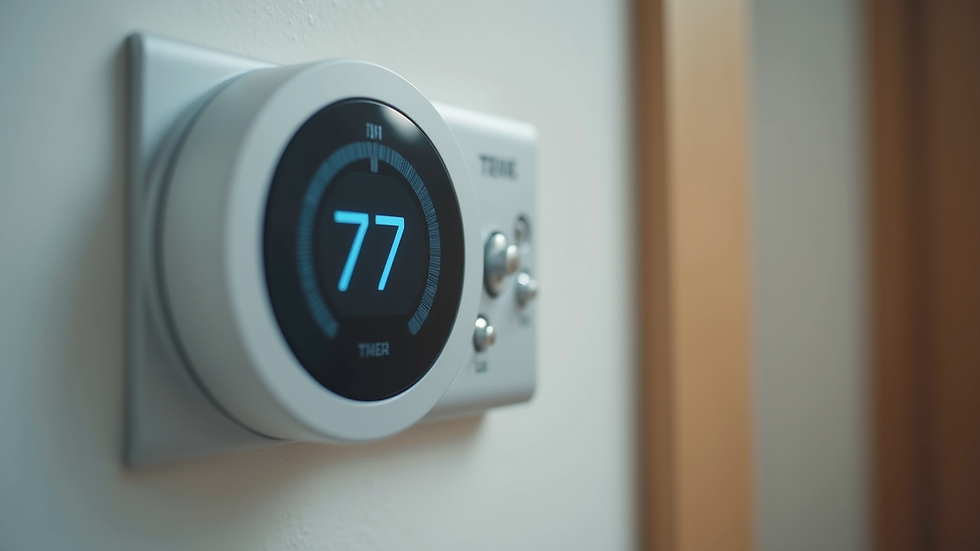
Programmable thermostats that adjust temperatures based on your schedule.
Zoning systems that heat or cool specific areas instead of the whole house.
By investing in an energy efficient hvac system, you ensure your home stays comfortable with less energy use. This not only saves money but also helps protect the environment.
Practical Steps to Improve Your HVAC Efficiency
Upgrading your HVAC system is a great start, but there are also simple steps you can take to boost efficiency without a full replacement. Here are some practical tips:
Regular Maintenance
Schedule annual tune-ups to keep your system running smoothly. Clean or replace filters every 1-3 months to improve airflow and reduce strain on your equipment.
Seal and Insulate Your Home
Prevent warm or cool air from escaping by sealing gaps around windows, doors, and ductwork. Adding insulation to your attic and walls helps maintain consistent indoor temperatures.
Use a Programmable Thermostat
Set your thermostat to lower heating or cooling when you’re away or asleep. This simple change can cut energy use by up to 10%.
Upgrade to a High-Efficiency System
If your HVAC unit is over 10 years old, consider replacing it with a newer, energy-efficient model. Look for systems with high SEER ratings and Energy Star labels.
Install Ceiling Fans
Fans help circulate air, making rooms feel cooler in summer and warmer in winter. This reduces the need for constant heating or cooling.
Consider Smart HVAC Controls
Smart thermostats and home automation systems allow you to control your HVAC remotely and optimize energy use based on your habits.
By combining these steps, you can significantly reduce your energy consumption and enjoy a more comfortable home.
Choosing the Right Eco-Friendly HVAC System for Your Home
Selecting the right system depends on your home’s size, layout, and your personal comfort needs. Here are some popular eco-friendly HVAC options to consider:
Heat Pumps
Heat pumps are highly efficient because they transfer heat instead of generating it. They work well in moderate climates and can both heat and cool your home.
Geothermal Systems
These systems use the earth’s stable underground temperature to heat and cool your home. Though the upfront cost is higher, geothermal HVAC offers excellent efficiency and low operating costs.
Ductless Mini-Split Systems
Ideal for homes without existing ductwork, these systems provide zoned heating and cooling with minimal energy loss.
High-Efficiency Furnaces and Air Conditioners
Modern furnaces and AC units with high AFUE (Annual Fuel Utilization Efficiency) and SEER ratings use less fuel and electricity.
When choosing a system, consider factors like installation cost, maintenance, and your local climate. Consulting with a trusted HVAC professional can help you find the best fit for your home.
Maintaining Your HVAC System for Long-Term Efficiency
Once you have an energy-efficient HVAC system, maintaining it properly is key to keeping it running at peak performance. Here’s what I recommend:
Schedule regular professional inspections to catch issues early.
Change or clean filters regularly to ensure good airflow.
Keep outdoor units clear of debris like leaves and dirt.
Check and seal ductwork leaks to prevent energy loss.
Monitor your energy bills for sudden spikes that might indicate a problem.
Good maintenance not only extends the life of your system but also keeps your energy bills low and your home comfortable.
Taking the Next Step Toward a Greener Home
Making your home more energy-efficient is a journey, and upgrading your HVAC system is a major step. By choosing eco-friendly HVAC solutions, you’re investing in comfort, savings, and a healthier environment. Remember, even small changes like sealing leaks or using a programmable thermostat can add up to big benefits.
If you’re ready to explore options or need expert advice, don’t hesitate to reach out to a trusted local HVAC provider. They can help you find the perfect system and keep it running smoothly for years to come.
Your home deserves the best in comfort and efficiency. Let’s make it happen with smart, eco-friendly HVAC solutions.
Thank you for reading! I hope these tips help you create a more comfortable and energy-efficient home.


Comments